For most 15-year-old central air systems and heat pumps, the answer depends on what broke and what refrigerant is inside. Repair a small electrical part, such as a capacitor, contactor or fan motor, on an R-410A system that otherwise runs well. Plan to replace when the compressor fails, a coil is leaking, or the system still runs on R-22.
Heat pumps age faster than AC units because they work all year, so give them less benefit of the doubt.
The refrigerant change of 2025 and 2026 did not make your current system illegal. It did change what a big repair buys you.
What 15 years means for a system in Whitpain Township
Central air in this part of Montgomery County works hard for a short season. Humid July and August stretches in the upper 80s and 90s push condensers to run almost nonstop, and that heat is what wears out capacitors, contactors and compressor windings. Fifteen years is a fair working life for an AC here. Some go longer. Many do not.
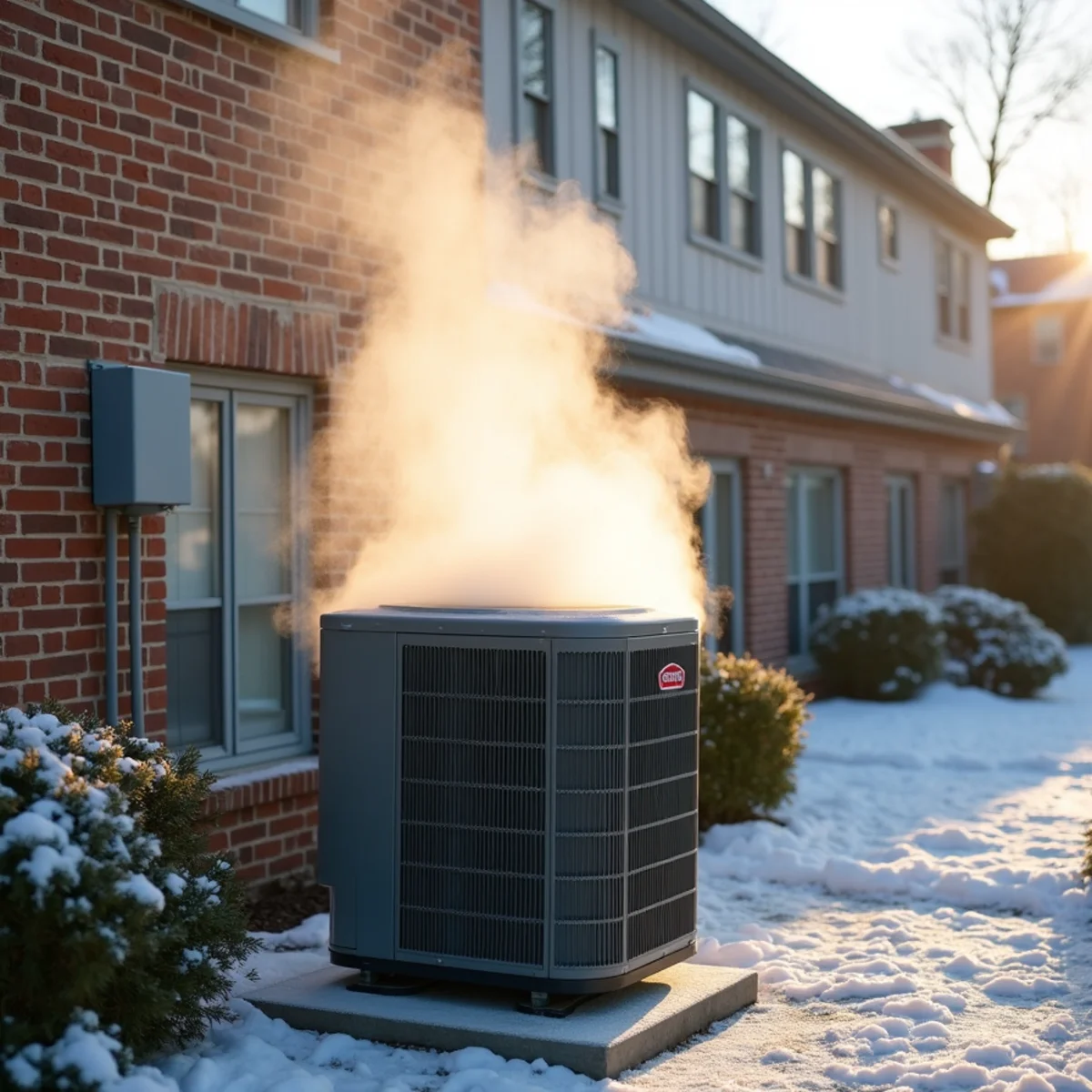
A heat pump does the same job in summer and then heats the house from October to April. By 15 years it has logged far more run hours than a central air unit of the same age, and the reversing valve, defrost controls and outdoor fan motor have all been working through freezing nights.
That is the situation in a lot of Blue Bell right now. Homes built from 1992 to 2005 are on their original or second system, and the townhome communities from the 1980s and 1990s are full of heat pumps with closet air handlers that have been patched more than once.
The refrigerant change in plain terms
- R-22 (Freon). Production ended in 2020. Systems still running on it depend on reclaimed or stockpiled refrigerant, which makes every recharge expensive. On an R-22 system, a refrigerant leak is usually the end of the road.
- R-410A. Most systems installed from the mid-2000s on use it. Under the EPA Technology Transitions rule, new R-410A split systems could no longer be installed after January 1, 2026. Existing R-410A systems can still be serviced and repaired, but supply is being phased down, so refrigerant work will keep getting more expensive.
- R-454B and R-32. New residential AC and heat pump systems now use these lower-GWP refrigerants. They are mildly flammable (classed A2L), so installers follow updated handling and leak-detection rules, and the equipment includes sensors older systems never had.
Find out which one you have
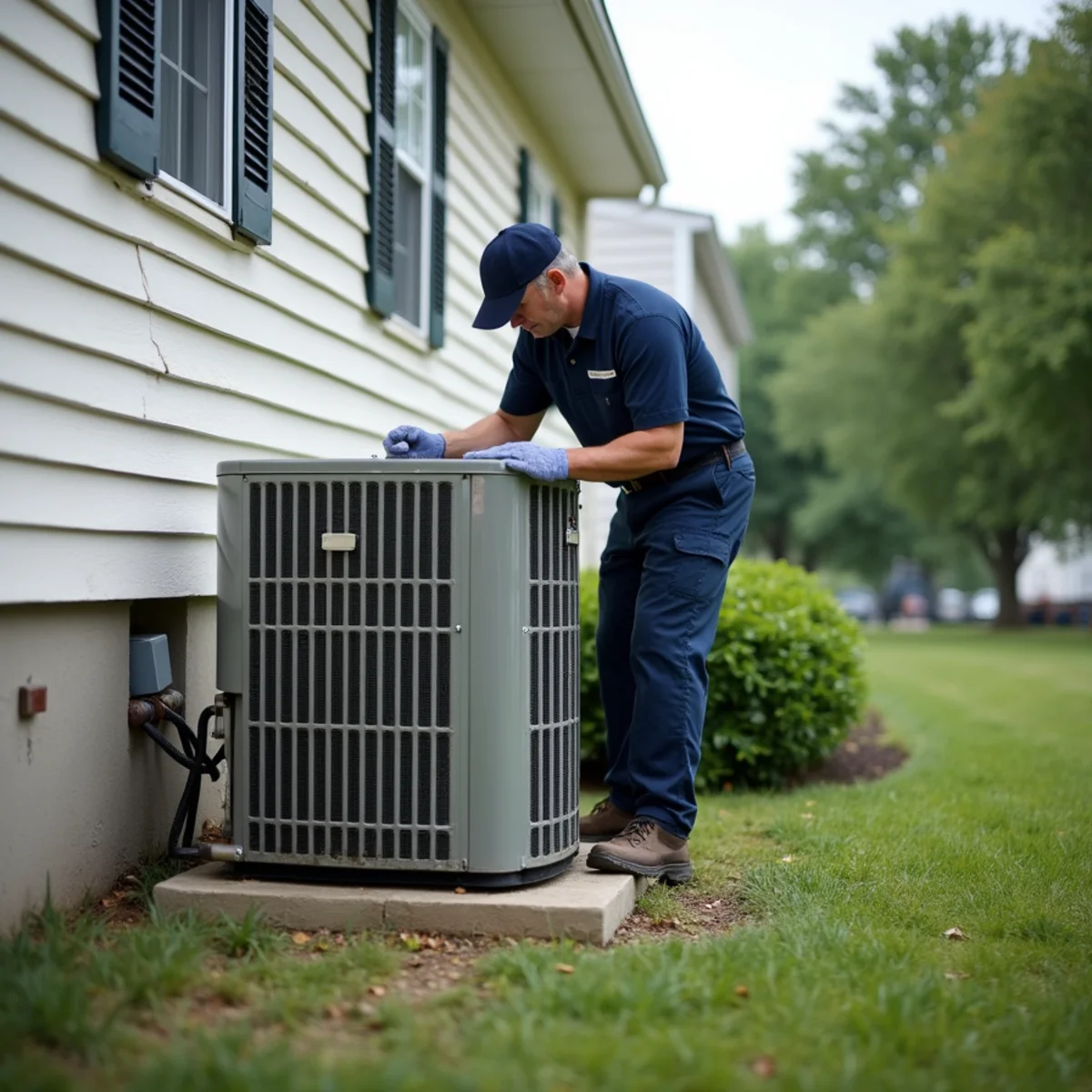
Look at the metal data plate on the side of the outdoor unit. It lists the refrigerant type and the factory charge. Snap a photo of it and of the indoor unit label; the technician can tell a lot from those two pictures before arriving.
Repairs that still make sense on an older system
Small electrical and airflow repairs do not touch the refrigerant circuit and cost little next to a new system. If the compressor sounds healthy and the system cooled well last summer, these are usually worth doing even at 15 years:
- Run capacitor or contactor at the outdoor unit
- Outdoor fan motor
- Thermostat or low-voltage wiring
- Clogged condensate drain, or a tripped float switch on a closet air handler
- A dirty coil or filter that caused a freeze-up
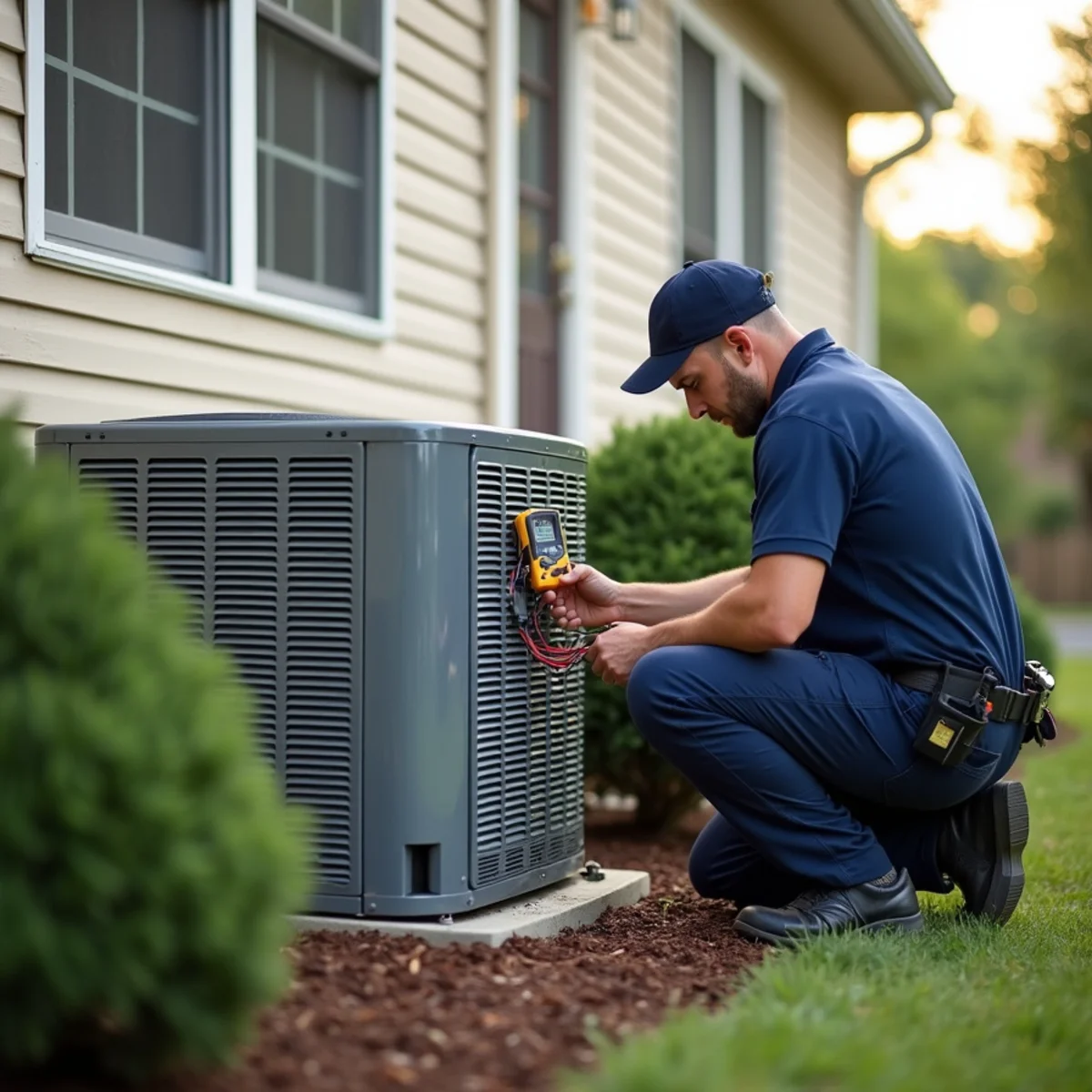
A technician on an AC repair call can tell you whether the rest of the system is in good enough shape to justify the fix. Ask for the refrigerant pressures and the compressor amp draw; those numbers say more about remaining life than the age alone.
Repairs that usually mean it is time to replace
- Compressor failure. It is the most expensive part in the system, and on a 15-year-old unit the coils and fan are close behind it.
- Any refrigerant leak on R-22. Finding and fixing it, then recharging with scarce refrigerant, rarely makes sense.
- A leaking evaporator or condenser coil on older R-410A. Possible to repair, but you are paying a rising price for refrigerant on top of a major part.
- A reversing valve on an old heat pump. Labor-heavy, and it involves the refrigerant circuit.
- The second or third recharge in a few years. A slow leak that keeps coming back will keep billing you.
For the factors behind each of those numbers, see what drives HVAC repair costs in Blue Bell.
Why you usually cannot swap just the outdoor unit
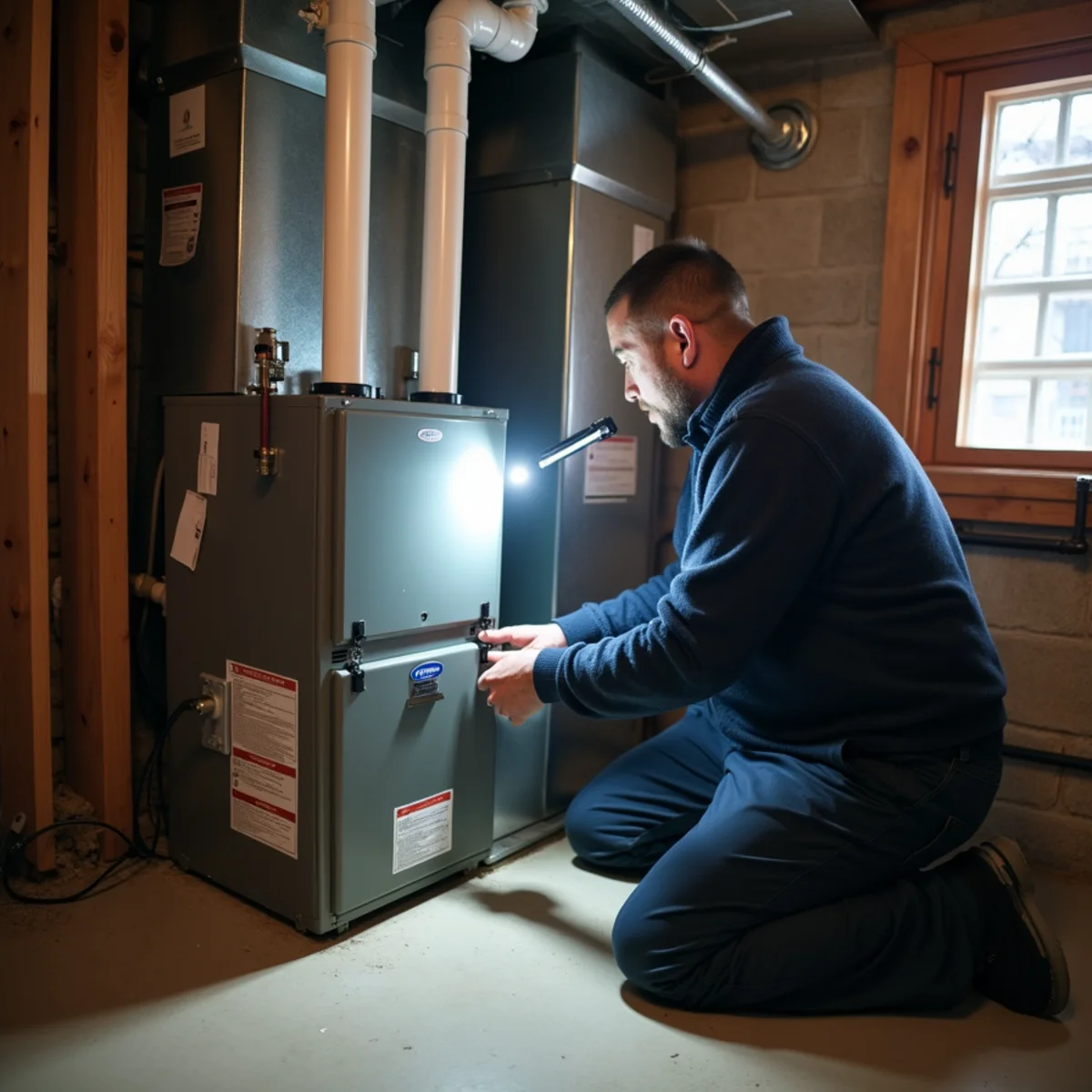
A new R-454B condenser has to be matched with an indoor coil designed for that refrigerant. Your old furnace coil or air handler was built for R-22 or R-410A, so replacing the outdoor unit almost always means replacing the indoor coil too. The refrigerant lines between them have to be checked, flushed or replaced.
If your furnace is the same age as the AC, that is the moment to ask whether to replace both. One installation, one permit, one matched system. In Whitpain Township, expect a permit; the contractor handles it, and you can confirm requirements with the township.
Do not size the new system off the old unit's label. Many 1990s houses got whatever tonnage the builder had on the truck. A proper HVAC installation starts with a Manual J load calculation, which accounts for any new windows, insulation or finished basement since the house was built.
From the field: what a technician checks before recommending replacement
Age is a starting point, not a verdict. Before a good technician tells you a 15-year-old system is done, they test the parts that decide it:
- Compressor health. Running amperage against the nameplate, and an insulation-resistance test on the windings. A compressor that is starting to fail shows it in those readings before it quits.
- Leak history. One leak repaired in 15 years is ordinary. A coil that has been recharged every summer is telling you something.
- The indoor coil and drain pan. Corrosion, a rusted pan or a coil that is past cleaning changes the math, because an outdoor-only repair leaves that problem in place.
- Airflow and ductwork. High static pressure from undersized returns hurts any system, old or new. If the ducts are the problem, a new condenser will not fix the comfort complaint.
- Electrical wear. Pitted contactors and burned wiring are cheap fixes on their own, but a pattern of heat damage points to a system working too hard.
One thing a technician should never suggest: putting R-454B or R-32 into an R-410A system. The new refrigerants are not drop-in replacements. An R-410A system stays on R-410A for the rest of its life.
A quick way to make the call
| Situation | Lean toward |
|---|---|
| R-410A system, failed capacitor or contactor, cools well otherwise | Repair |
| R-410A system, outdoor fan motor or thermostat fault | Repair |
| R-410A system, first leak, coil otherwise sound | Get both prices before deciding |
| R-22 system, any refrigerant leak | Replace |
| Any system, failed compressor | Replace |
| Heat pump with a failed reversing valve | Replace in most cases |
| Furnace and AC both 15 years or older, major AC repair needed | Replace both together |
The same question comes up constantly in Exton townhomes still on their original heat pumps, where the equipment is the same age and the reasoning is identical. If you decide to replace, read up on PECO rebates for new equipment before you sign anything.
The bottom line
A 15-year-old air conditioner or heat pump is not automatically finished. On R-410A, a capacitor, contactor or fan motor is still worth fixing, and the system can be serviced for the rest of its life. On R-22, or when the compressor, coil or repeated leaks are the problem, or when one repair would cost a large share of a new system, replacement usually wins. Have the system tested, ask for the readings, and if you do replace, insist on a Manual J so the new equipment fits the house.
Questions readers ask
My 15-year-old system still uses R-22. Is any repair worth doing?
Yes, as long as the repair does not involve refrigerant. A capacitor, contactor, fan motor or thermostat can be replaced on an R-22 system just as on any other. The problem comes when it leaks. R-22 has not been produced since 2020, so recharging relies on reclaimed supply and is expensive. On a system that is already 15 years or older, a leak is usually the point to plan replacement rather than pay for refrigerant that will leak out again.
Will my R-410A system become impossible to service?
No. The 2026 rule stopped new R-410A split systems from being installed. It did not ban servicing existing ones. Technicians can still repair and recharge R-410A equipment. What changes is cost: supply is being phased down, so the refrigerant gets more expensive over time. That makes leak repairs on older R-410A systems a harder sell each year, while electrical repairs stay as reasonable as ever.
My furnace still works. Do I have to replace it along with the AC?
Not always, but if the furnace is about as old as the AC, it usually pays to. A new outdoor unit needs a new matching indoor coil, which sits on top of the furnace, so the installer is already working there. Doing both at once means one visit and one permit, plus a matched system with a blower sized for the new coil. If the furnace is only a few years old and in good shape, replacing just the cooling side is reasonable.