A heat pump that seems to blow cold air in winter is often working normally. Its supply air runs lukewarm compared with a gas furnace, so it can feel cool on your hand even while it heats the house. It also blows cool air for a few minutes during each defrost cycle, while the outdoor unit steams.
It is a real fault when the air stays cold for more than 15 minutes, the house keeps losing temperature, or the outdoor unit is buried in solid ice.
Here is how to tell which one you are dealing with.
Start with the hand test, then the thermometer
Gas furnace air often comes out well above 120 degrees. Heat pump air is usually somewhere around the high 80s to mid 90s. Your skin is in the low 90s, so air at that temperature moving across your hand reads as cool or neutral, even though it is warmer than the room.
A cheap kitchen thermometer held in a supply register tells you more than your hand. Wait ten minutes into a heating cycle and check it. If it reads clearly warmer than the room and the thermostat is holding its setting, the heat pump is doing its job. If it reads close to room temperature for a long stretch, keep going.
Defrost mode: the cold blast that is supposed to happen
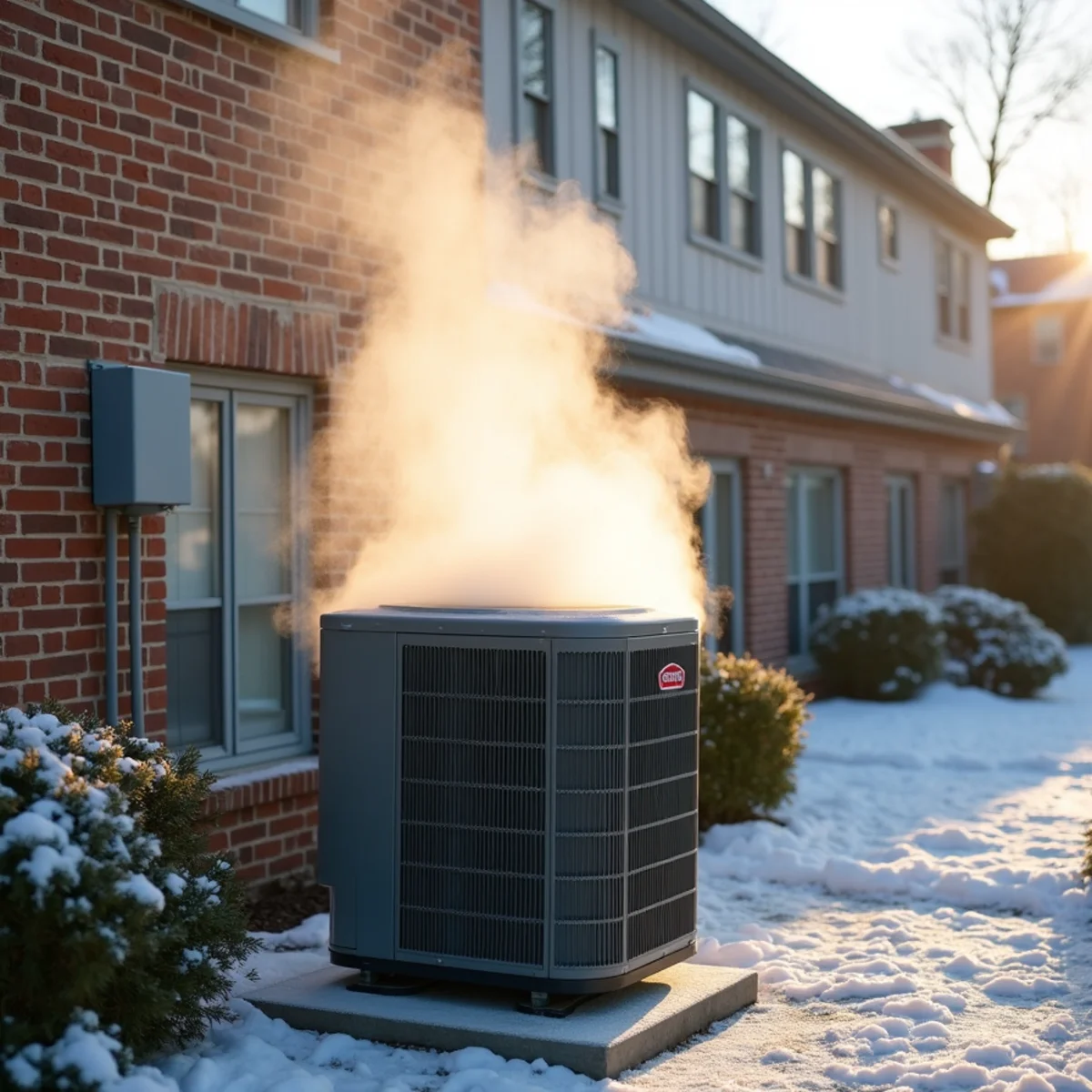
When it is near or below freezing and damp, frost builds on the outdoor coil. Every so often the heat pump reverses itself for a few minutes to melt it off. During that time:
- The outdoor fan stops and the unit may hiss, click or whoosh.
- Steam rises from the outdoor unit, sometimes enough to look like smoke.
- Indoor air turns cool, unless the auxiliary heat strips come on to temper it.
- After a few minutes, everything switches back and warm air returns.
Defrost cycles are more frequent on the raw, wet January mornings this area gets than on dry, colder nights. A thin layer of frost on the coil between cycles is normal. A solid block of ice that does not clear is not.
Aux heat and emergency heat: what the thermostat is telling you
Most heat pumps in Blue Bell townhomes and condos have electric heat strips in the indoor air handler. The thermostat calls for them automatically, and they show up on the display as aux heat.
When aux heat turns on by itself
It comes on during defrost, when you raise the setpoint by several degrees at once, and when it is too cold outside for the heat pump to keep up. Older single-stage heat pumps from the 1990s and 2000s start leaning on the strips once it drops into the teens. Newer cold-climate models keep producing useful heat well below freezing.
When to choose emergency heat
Emergency heat shuts off the outdoor unit and runs only the strips. Use it when the outdoor unit is clearly broken, iced solid or making a grinding noise, and keep it on until a technician has looked. It keeps the house warm, but strip heat costs far more to run, so it is a stopgap, not a winter setting.
Check the fan setting
If the thermostat fan is set to On instead of Auto, the blower keeps running between heating cycles and during defrost. That moves room-temperature air and feels like cold air. Switch it to Auto before anything else.
Signs it is a real fault
- Cold air for 15 minutes or more with the outdoor unit running. A reversing valve stuck in cooling position does exactly this.
- The outdoor unit is encased in ice and defrost never clears it. Look for a failed defrost control or sensor, a dead outdoor fan, or low refrigerant.
- Lukewarm air that slowly loses ground each day. Low refrigerant charge from a slow leak is the usual cause.
- Aux heat on the display, but no warm air. The heat strips or their breaker may have failed, so the backup is missing just when the heat pump needs it.
- The outdoor unit is silent while the indoor blower runs. Check the outdoor breaker or disconnect, but do not reset a breaker more than once.
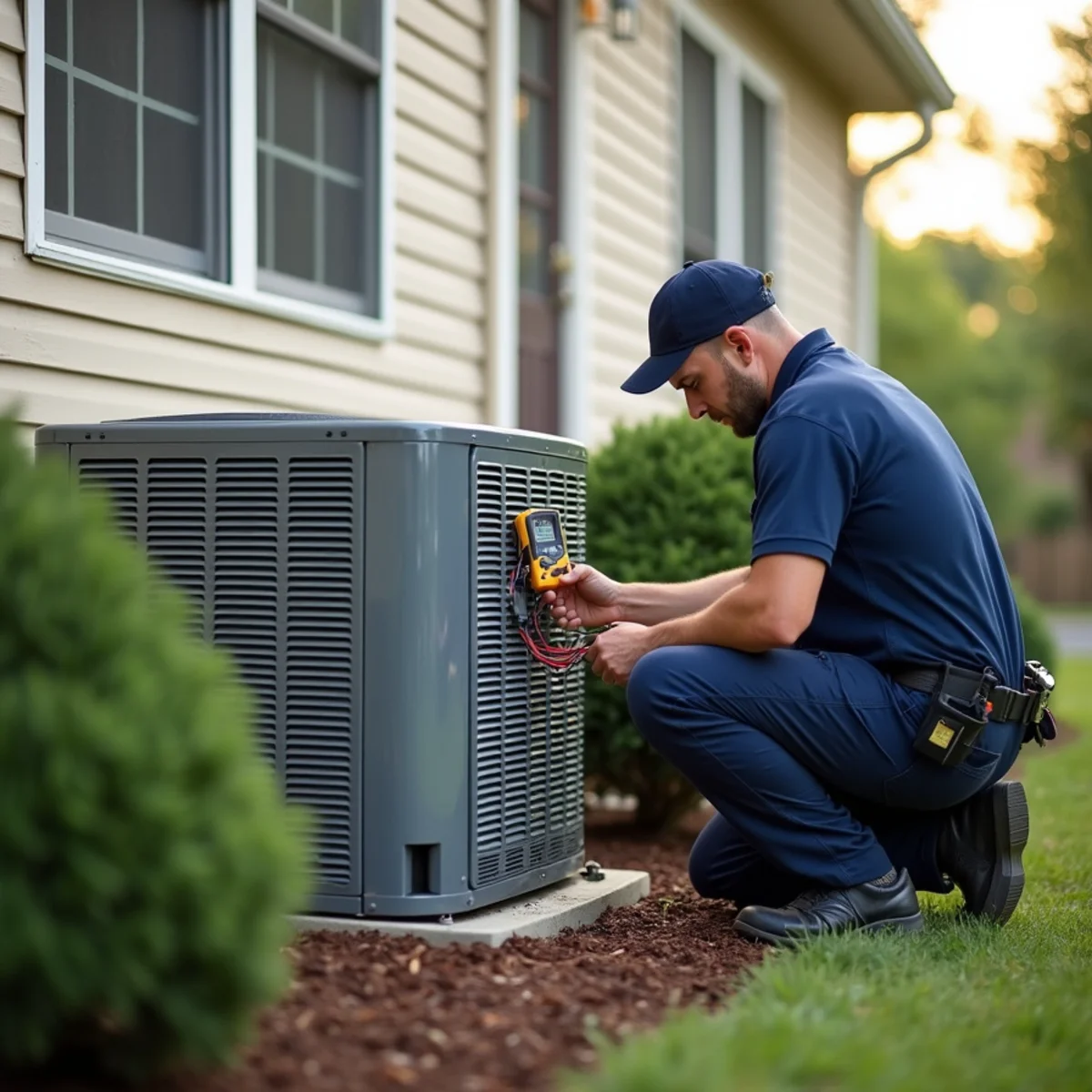
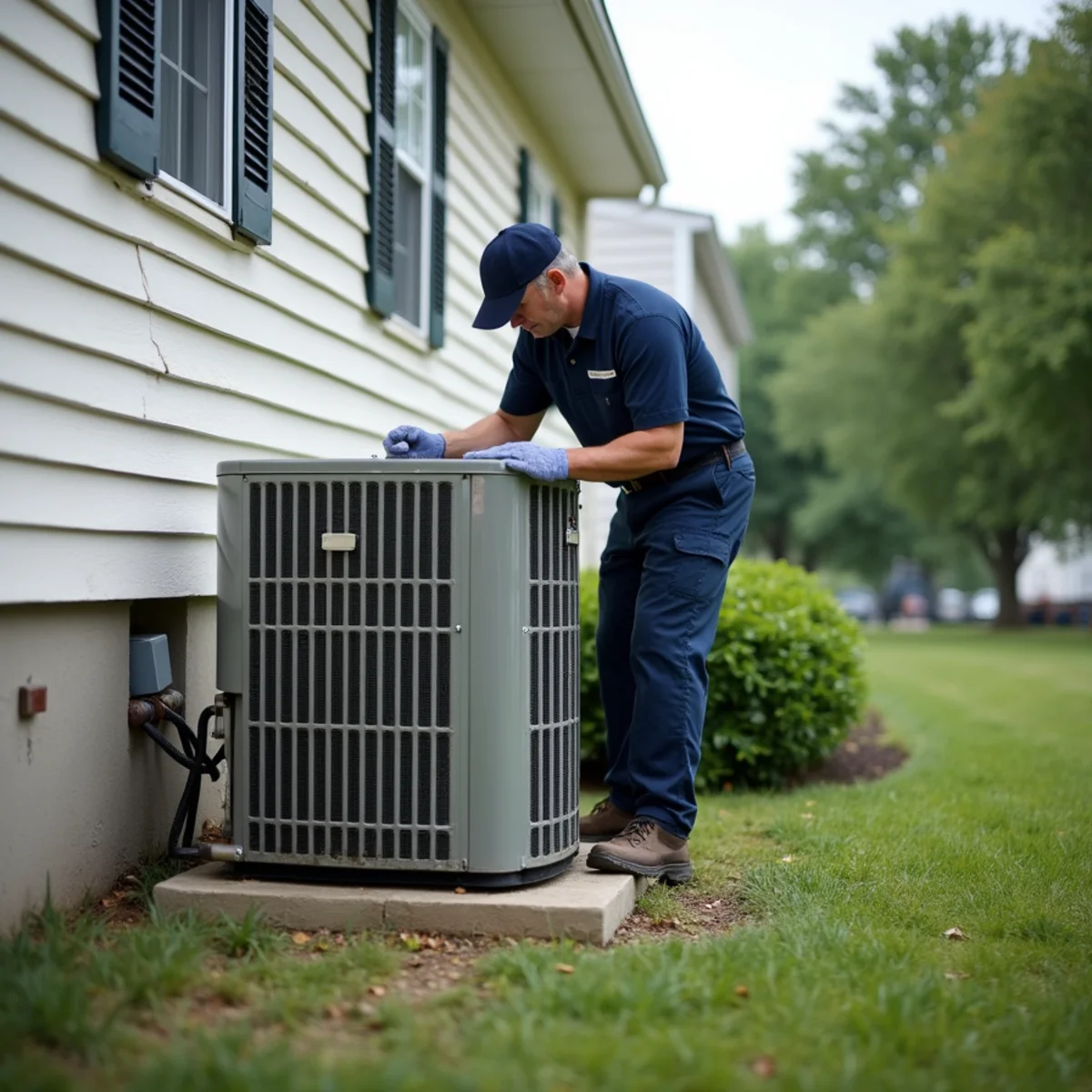
Each of those is a job for heat pump repair, not a homeowner fix. Never chip ice off the coil with a tool or pour hot water on it.
A five-minute check before you call
- Confirm the thermostat is on Heat and the fan is on Auto.
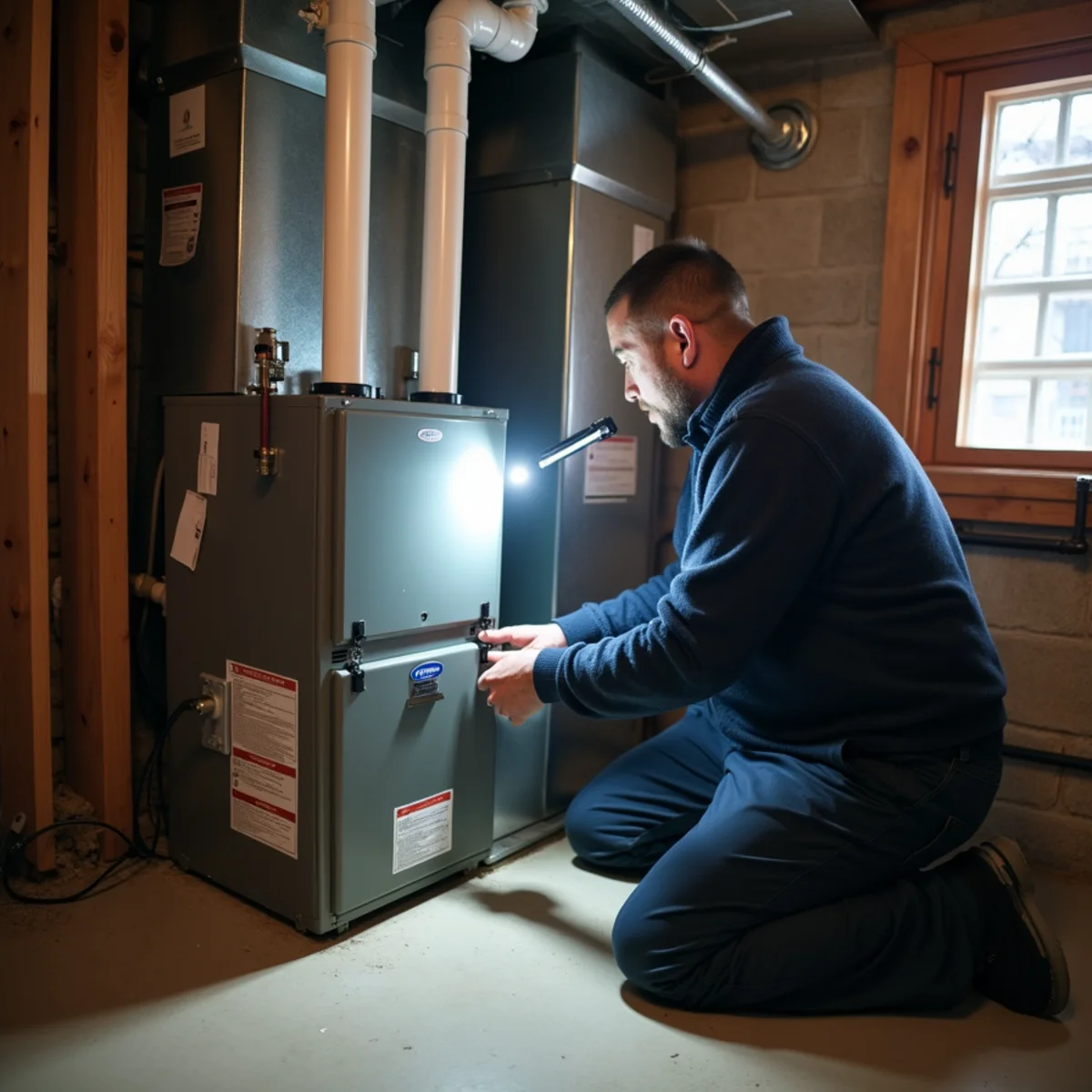
- Replace the filter at the air handler if it is dirty. Low airflow makes heat pump air feel even cooler.
- Look at the outdoor unit. Clear drifted snow from around the base and make sure a roof edge is not dripping onto it and freezing.
- Check two breakers: one for the outdoor unit and one, usually larger, for the air handler and its heat strips.
- Wait out one defrost cycle, about ten minutes, before deciding something is wrong.
If you have a dual-fuel system, with a gas furnace backing up the heat pump, cold air can mean the furnace failed to light when it took over. Run through the no-heat furnace checklist for that side.
From the field: the winter heat pump problems technicians see most
- Water dripping onto the outdoor unit. A gutter or roof edge that drips onto the top of the unit freezes into a cap of ice that defrost cannot clear. Many townhome units sit right under a roofline. The fix is a gutter repair or a small rain shield, not a new heat pump.
- Units sitting too low. A heat pump set on a pad at ground level can get buried by drifting snow and its own melt water. Raising it on riser feet a few inches lets defrost water drain away.
- Thermostat staging set wrong. Smart thermostats have settings for when auxiliary heat is allowed to come on. Set too aggressively, the strips run on mild days and the bill jumps. Set too conservatively, the house falls behind on the coldest nights.
- Dirty filters in the air handler. Low airflow makes a heat pump work harder in heating mode too, and can trip it off on high pressure.
- Failed defrost sensors and boards. When defrost never starts, ice builds until the unit is a block. That one is a real repair.
If your heat pump is an older single-stage model that leans on the strips every cold night, a cold-climate heat pump or a dual-fuel setup may be worth pricing. Our HVAC installation and replacement page explains how those are sized.
Townhomes, older subdivisions and the electric bill
Much of the heat pump stock around Blue Bell went into 1980s and 1990s townhome and condo communities, with the air handler in a hall closet and the outdoor unit on a pad or a shared side yard. Many are on original or second-generation equipment, single-stage, and that is the group most likely to blow lukewarm air and lean on strips in a cold snap.
The same pattern runs through the 1990s and 2000s subdivisions around Collegeville and Trappe, where heat pumps and dual-fuel systems are common and many are reaching replacement age. In Lansdale, most of the borough buys electricity from Lansdale Electric rather than PECO, so a week stuck on aux heat shows up on a different bill, but it shows up just the same.
A January bill that suddenly jumps is often the first sign a heat pump has quietly stopped doing its share and the strips have been doing all the work. On an older unit, that is a good moment to weigh repairing versus replacing a 15-year-old heat pump.
The bottom line
Cool-feeling air from a heat pump is usually normal, and a few minutes of steam and quiet outside is the defrost cycle doing its job. Worry when the house loses ground, the outdoor unit stays iced for hours, or the auxiliary heat light never goes out. Check the filter, the thermostat mode and the outdoor unit, keep water from dripping onto it, and call if those do not explain what you are seeing.
Questions readers ask
How long should a heat pump defrost cycle last?
Usually a few minutes, often under ten. The outdoor fan stops, the unit steams, and indoor air may turn cool unless the aux heat strips come on. Then it switches back to heating. If the cycle seems to run much longer, repeats every few minutes, or the outdoor coil stays caked in ice afterward, the defrost control, a sensor or the refrigerant charge may be the problem. That needs a technician, especially before a cold night.
Can I just leave my heat pump on emergency heat until spring?
You can, but it will be expensive. Emergency heat runs only the electric strips in the air handler, which use far more electricity than the heat pump does for the same warmth. It is meant to keep the house safe while the outdoor unit is broken or iced over. Use it for a day or two while you wait for a repair, then switch back to normal heat once the heat pump is fixed.
Why does my heat pump blow cold air right after it turns on?
For the first minute or so, the blower is pushing air that has been sitting in cool ductwork, and the outdoor coil is still coming up to temperature. That short burst is normal. If the thermostat fan is set to On, you also get room-temperature air between cycles, which feels cold. Switch the fan to Auto. If the air is still cool after ten or fifteen minutes of heating, have the system checked.