Local knowledge
Heating and cooling problems we see in Blue Bell homes
Blue Bell was mostly farmland until the 1960s, so the houses here are younger than the ones in Ambler or Norristown, and that shapes almost every call we take. Most of Whitpain Township went up between the 1980s and the early 2000s, on top of a layer of 1960s and 1970s colonials. That means a lot of equipment reaching the end of its life at roughly the same time.
The big homes built from 1992 onward, in places like Blue Bell Country Club, are on their second furnace and air conditioner now, and some are due for a third. The original builder-grade systems were often sized by rule of thumb, which is why so many second-floor bedrooms in 19422 run warm in July. When one of those systems goes, the right answer is usually a replacement sized by a proper load calculation, not another unit with the same label.
- Townhomes and condos on heat pumps. Blue Bell Woods, Whitpain Hills, Whitpain Farm and the carriage homes run on electric heat pumps with air handlers in a closet or attic. Clogged condensate lines trip float switches, and units stuck on auxiliary heat send PECO bills up in January. See heat pump repair.
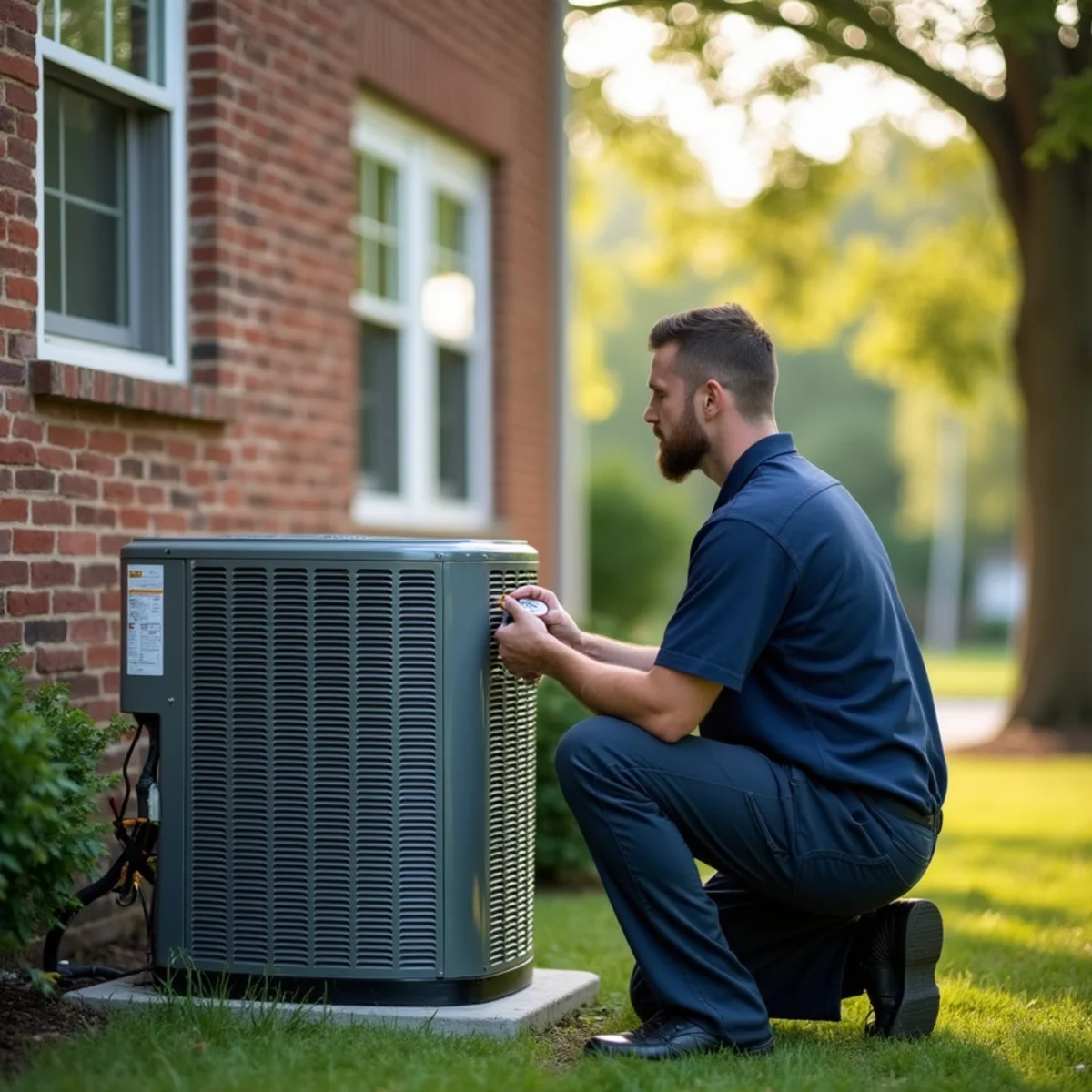
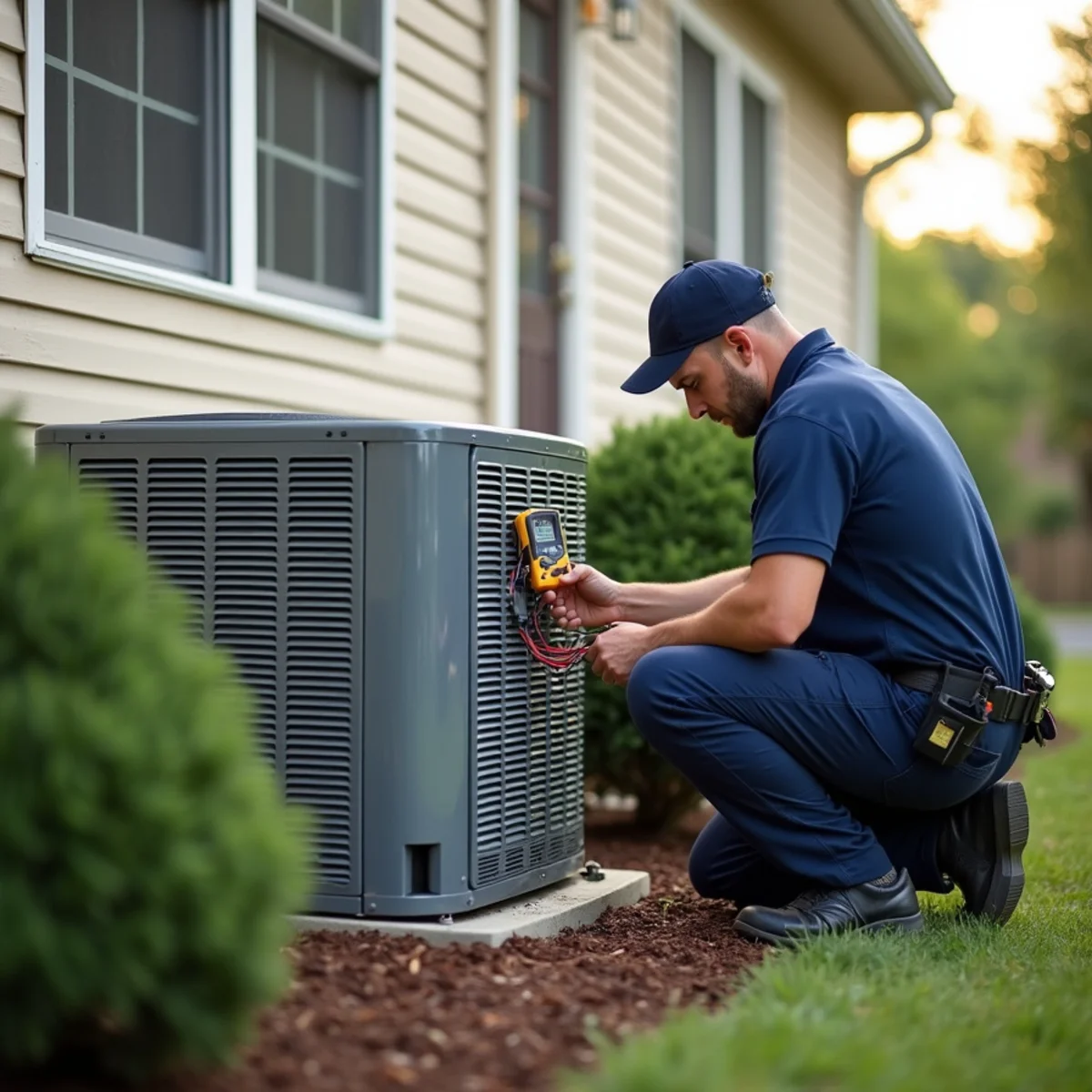
- AC failures in humid July heat. A week in the upper 80s and 90s with sticky humidity is when capacitors pop, contactors pit, and evaporator coils freeze. Most of these are one-visit AC repairs if the system is caught before the compressor suffers.
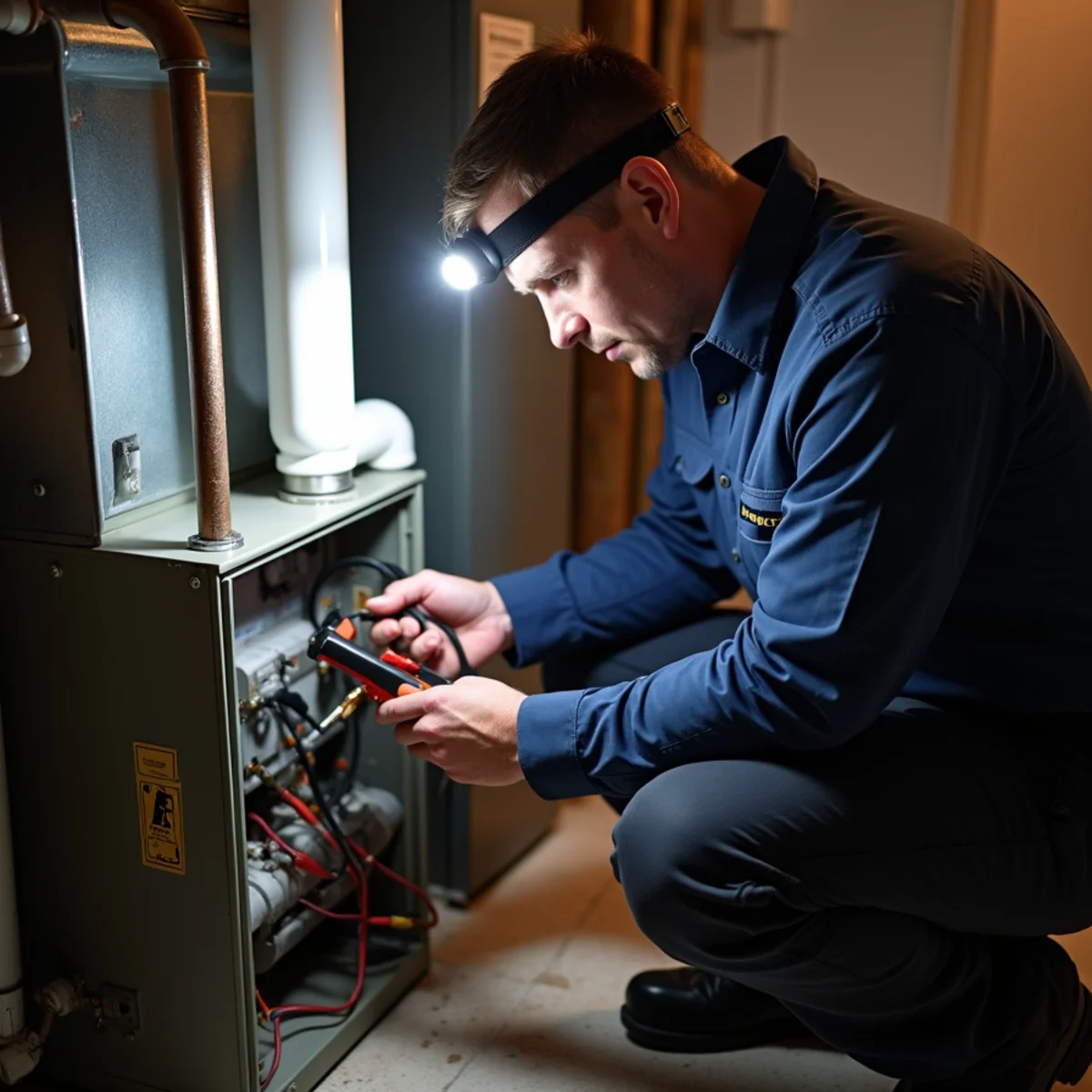
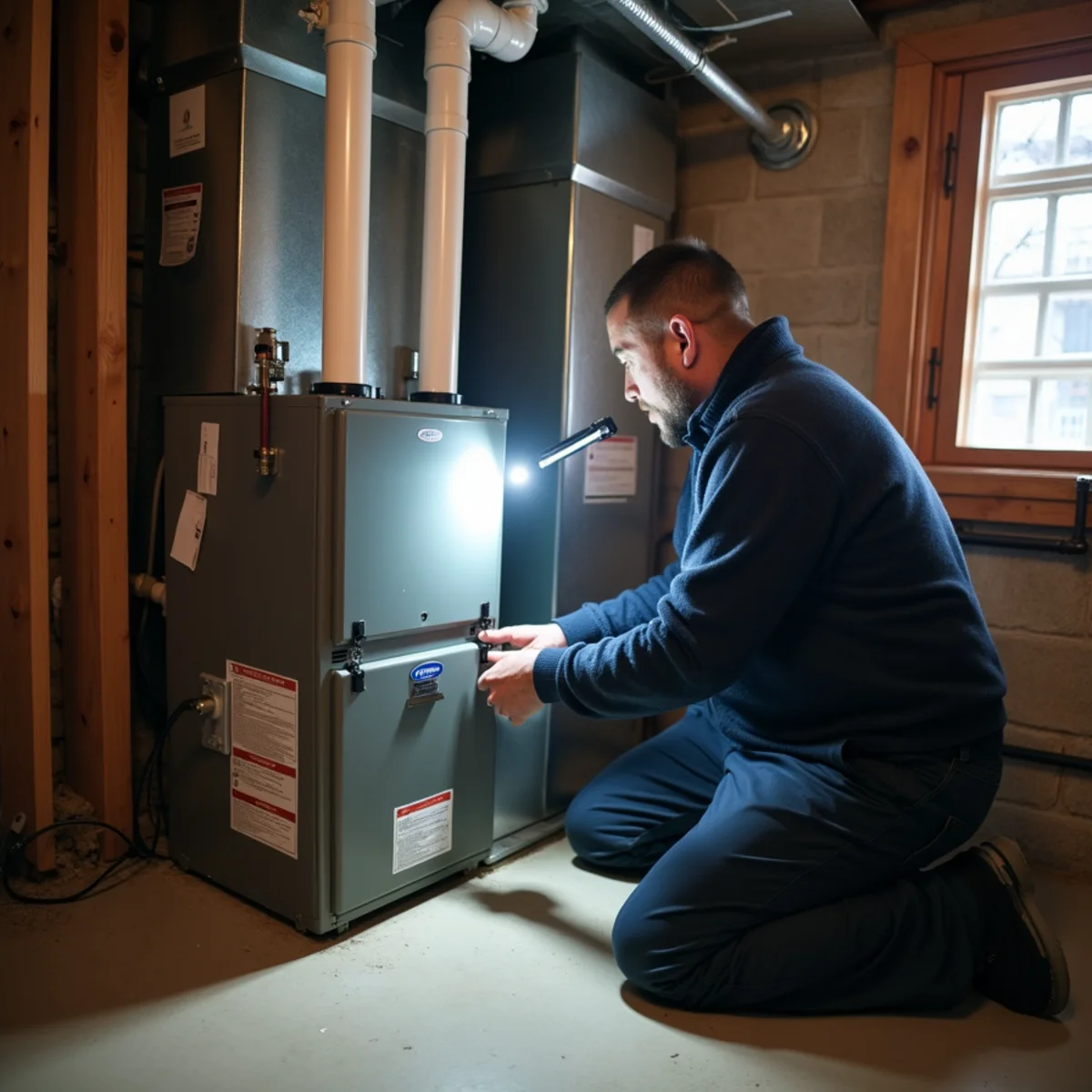
- No-heat calls in January cold snaps. About 57% of homes here heat with gas. On single-digit nights, high-efficiency furnaces lock out on frozen condensate lines or snow-blocked PVC vents, and dirty flame sensors finally give up. That is furnace repair work, and it often happens after midnight.
- Oil and boiler heat in the older houses. Roughly one home in eight still burns oil, mostly the 1960s and 1970s colonials, and some have hot water baseboard on a boiler. Those need a technician who knows boilers and oil burners, not just forced air.
PECO supplies both gas and electricity across Blue Bell, Center Square, Broad Axe, Belfry and West Ambler, which matters when you are weighing a heat pump against a gas furnace or checking which rebates apply to new equipment.
When the problem is bigger than one failed part
Humid summers do more than heat the house. Part of every air conditioner's job is latent cooling: pulling moisture out of the air, which drips off the coil as condensate. On a sticky July day here that is gallons of water, so a slow drain, an oversized system that short-cycles, or a leaky return can leave rooms cool but clammy. Freezing winters raise the stakes the other way. A furnace, boiler or heat pump that quits on a single-digit night becomes a frozen-pipe risk within hours.
That is why a good technician looks past the part that failed and asks why it failed. Ask for that when you see any of these:
- Uneven rooms. A hot upstairs or a cold addition usually points to ductwork, return air, insulation or sizing, not a weak unit.
- Rising bills with no change in habits. Look at equipment age, a clogged coil, duct losses, or a heat pump leaning on auxiliary heat.
- Ice that keeps coming back. Recurring ice is rarely just "low on refrigerant". Airflow and coil condition need testing too.
- Repeated condensate overflows. The drain line, pump, pan slope and float switch deserve a real look, not another clear-out.